
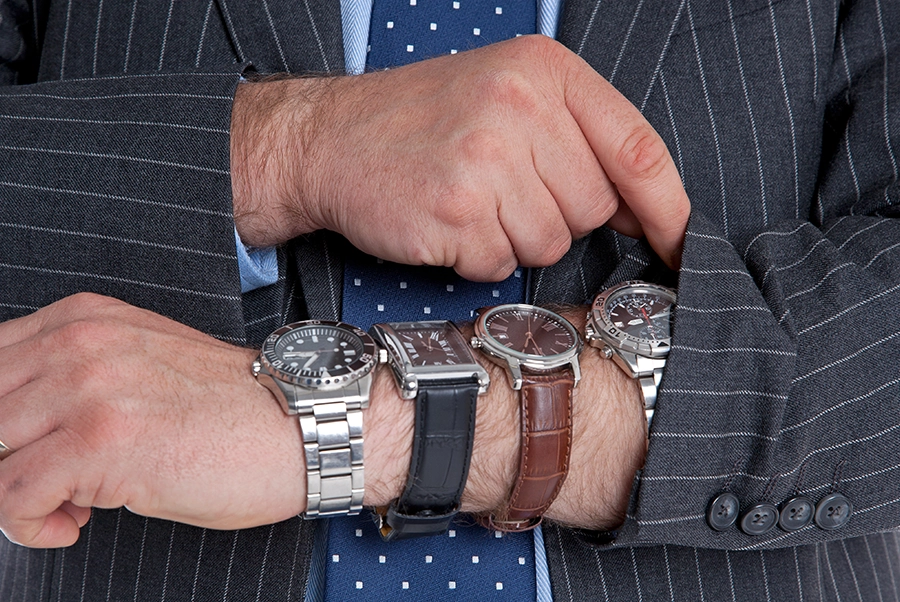
Ever looked at a high-end watch and felt lost among its many sub-dials? Those small circles, known as complications by watchmakers, are far more than decoration. Each has a clear function, from tracking a second time zone to measuring elapsed time. Learning what these features do turns a watch from a simple piece of jewellery into a precise and versatile instrument that truly fits your lifestyle. Understand each dial so you can choose your next timepiece wisely.
What is a complication?
A complication is any feature on a watch that extends beyond the simple display of hours, minutes, and seconds. Basic watches focus solely on telling time, while complications add extra functions, such as tracking the date, showing a second time zone, measuring elapsed intervals, or even displaying the phases of the moon. These features rely on intricate mechanical systems or additional modules, making them a showcase of both engineering skill and artistry. Complications are valued not only for their practical uses but also for the precision and craftsmanship required to integrate them seamlessly into a watch movement.
Chronograph
Timing in style
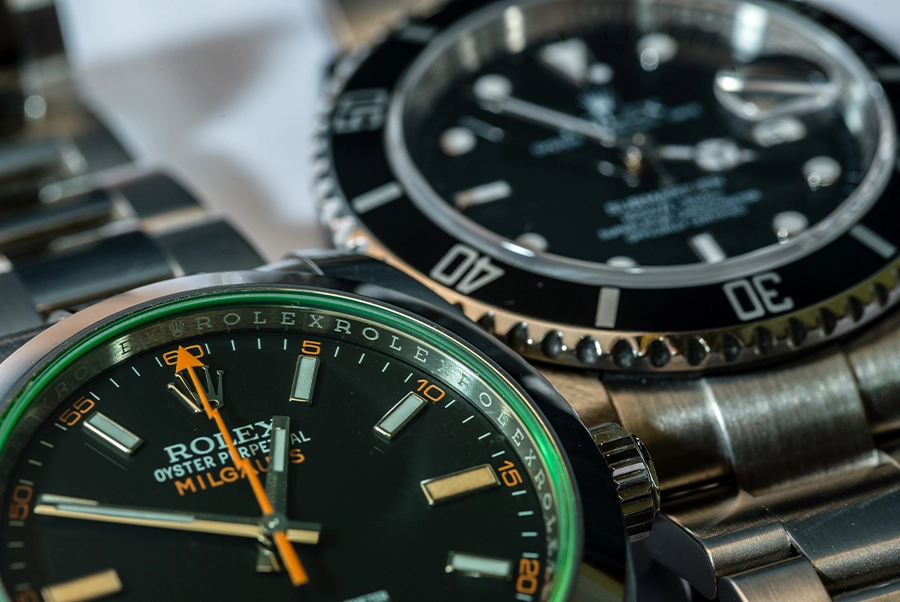
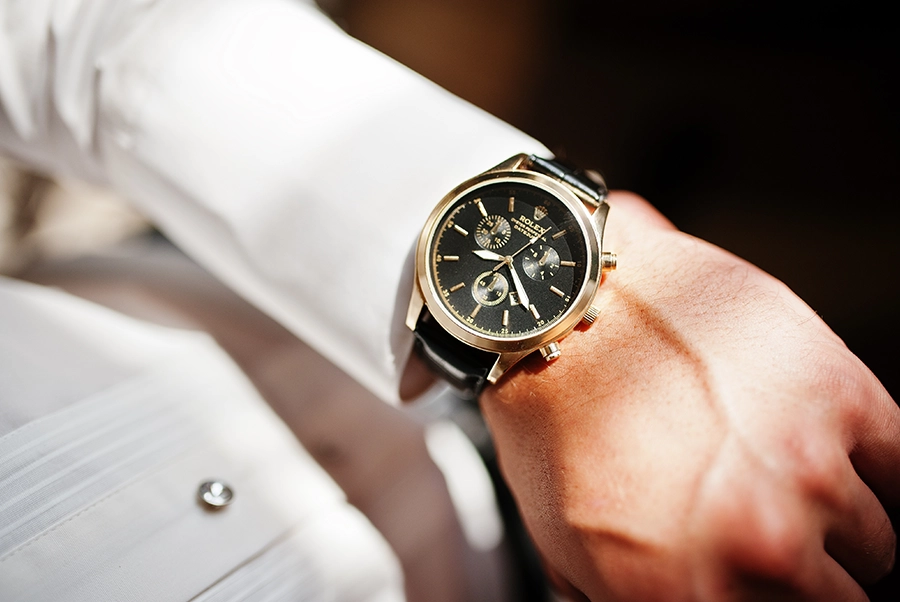
The chronograph is one of the most recognisable and practical watch complications. It functions as a built-in stopwatch, operating independently of the main time display. Typically, chronographs feature two or three smaller sub-dials that track seconds, minutes, and sometimes hours, making them ideal for timing everything from sports events to culinary tasks. Some advanced chronographs include a tachymeter scale on the bezel or dial, which allows the wearer to calculate speed over a set distance.
GMT and dual time
Across time zones
GMT and dual-time complications are essential for travellers and anyone who frequently communicates across time zones. A GMT watch adds an extra hand that completes one full rotation every 24 hours, pointing to a secondary 24-hour scale to indicate a different time zone. Dual-time watches often display the second time zone on a separate sub-dial, showing hours and minutes independently of the main time. Both complications make it simple to monitor multiple locations at a glance, combining practicality with elegance.
Moon phase
Poetry meets precision
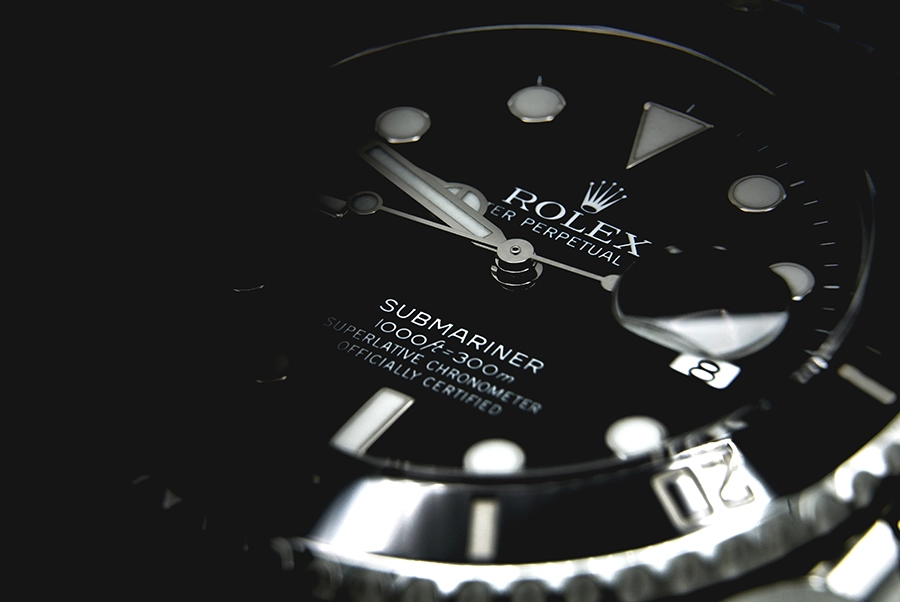
The moon phase complication tracks the lunar cycle, typically through a small aperture or rotating disc on the dial. It shows the moon’s current phase, from new moon to full moon, with remarkable accuracy. While not essential for daily life, this complication exemplifies the artistry and technical skill involved in watchmaking. Collectors and enthusiasts prize moon phase watches for their visual elegance and the mechanical ingenuity required to create a miniature lunar calendar.
Calendars and day-dates
Staying on track
Calendar complications range from simple date windows to comprehensive displays showing the day, date, month, and sometimes the year. Advanced models, known as perpetual calendars, automatically adjust for leap years and months of varying lengths, requiring little to no manual correction. Day-date watches offer an intuitive and practical way to stay organised, making them ideal for everyday wear. These complications combine functionality with thoughtful design, ensuring both accuracy and convenience.
Power reserve indicators
Fuel for your watch
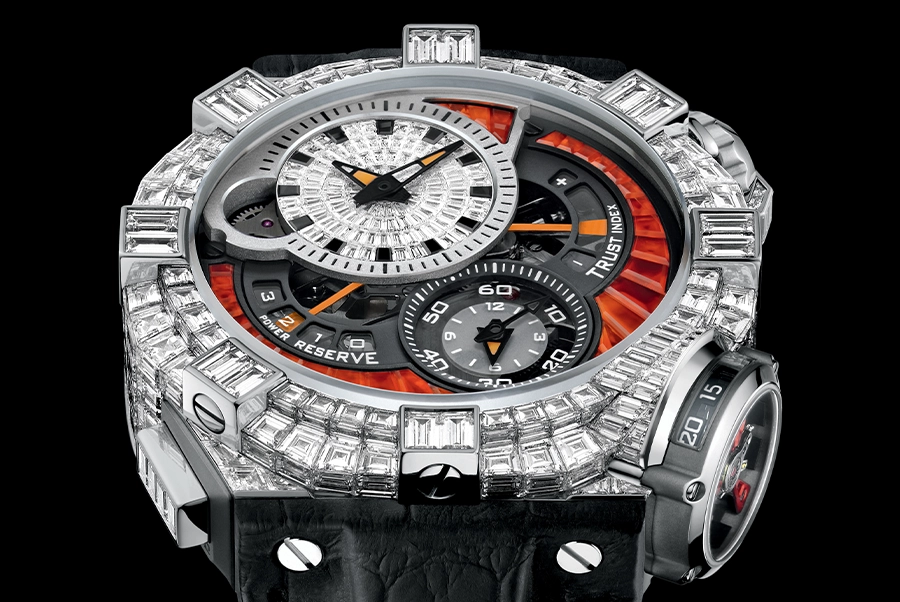
A power reserve indicator shows how much energy remains in a mechanical watch’s mainspring, much like a fuel gauge in a car. This feature helps ensure the watch continues running accurately, allowing the wearer to wind it before the movement stops. It is particularly valuable for automatic watches that may not be worn consistently, giving a clear visual cue of how much “power” remains and when manual winding is needed.
Tourbillon
Engineering in motion
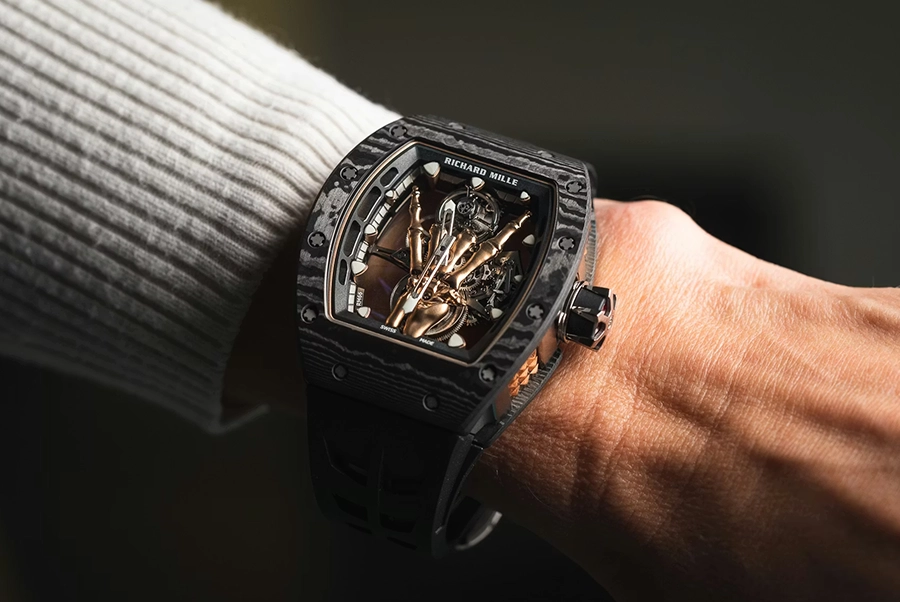
The tourbillon is a mechanical marvel designed to improve a watch’s accuracy by counteracting the effects of gravity on the escapement. It achieves this by mounting the escapement and balance wheel inside a rotating cage, which continuously changes their position relative to gravity. Originally developed for pocket watches, the tourbillon has become a hallmark of haute horology. While it may not dramatically enhance accuracy in modern wristwatches, it is highly prized for its intricate craftsmanship and visual spectacle, often showcased through an open aperture on the dial. Brands such as Patek Philippe, Audemars Piguet, and Richard Mille have made tourbillons a symbol of technical mastery and artistry.
Unique complications
Beyond the basics
Luxury watches can feature a wide range of additional complications, each designed to provide specific functionality. These may include alarms, minute repeaters that chime the time, world timers for tracking multiple cities, or specialised indicators such as temperature, barometric pressure, or altitude. Each complication serves a specific purpose, often tailored to professional, adventurous, or technical pursuits. Together, they showcase the ingenuity, precision, and artistry that define high-end watchmaking.
Choosing complications that matter
Not every complication is suited to every wearer. Some are designed mainly for aesthetic appeal, while others provide genuine practical benefits. When selecting a watch, consider your lifestyle, travel habits, and how you intend to use the timepiece.
A GMT complication is perfect for frequent travellers, with Rolex’s GMT-Master II serving as a classic example. Chronographs appeal to those who value precise timing, such as Audemars Piguet’s Royal Oak Offshore or the Richard Mille RM 11. Moon phase and perpetual calendar complications, as seen in Patek Philippe Grand Complications, combine artistry and mechanical sophistication for collectors who appreciate craftsmanship.
Understanding the purpose of each feature ensures your watch adds value and enjoyment rather than unnecessary complexity.
Purpose on the wrist
Complications transform a watch from a simple timekeeping device into something far more considered. Each dial, hand, and indicator serves a reason, reflecting both precise engineering and thoughtful design. A watch may begin as a tool, but it becomes a personal statement when its features genuinely support the wearer’s lifestyle and daily rhythm When a watch aligns with how you live and how you value time, it becomes more than an object. It becomes part of your identity as a collector.