
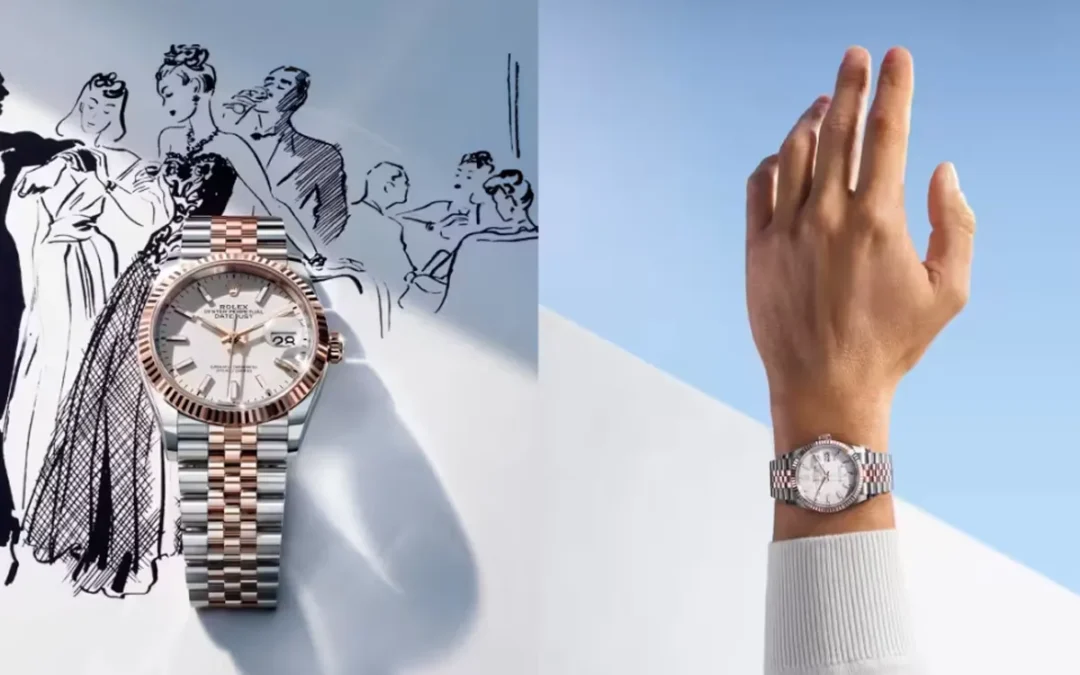
Luxury watches are entering a quieter era
For much of the early 2000s, the luxury watch industry embraced a simple philosophy: bigger meant better. Large cases, bold bezels, and commanding wrist presence became symbols of confidence and success. Sports watches regularly exceeded 42mm, and oversized designs dominated boutique displays, celebrity wrists, and enthusiast forums alike.
Trends, however, rarely stand still.
Today’s collectors are moving in a different direction. The appeal of compact proportions, timeless designs, and overlooked heritage references has steadily grown. Watches measuring between 36mm and 39mm are increasingly viewed as the ideal balance of elegance and practicality, while understated classics are finding new appreciation among enthusiasts who value craftsmanship over hype.
This shift is more than nostalgia. It reflects a more thoughtful approach to collecting, where comfort, versatility, heritage, and long-term value carry greater weight than sheer wrist presence. As preferences continue to evolve, smaller watches and quietly iconic references are proving that refinement often leaves the strongest impression.
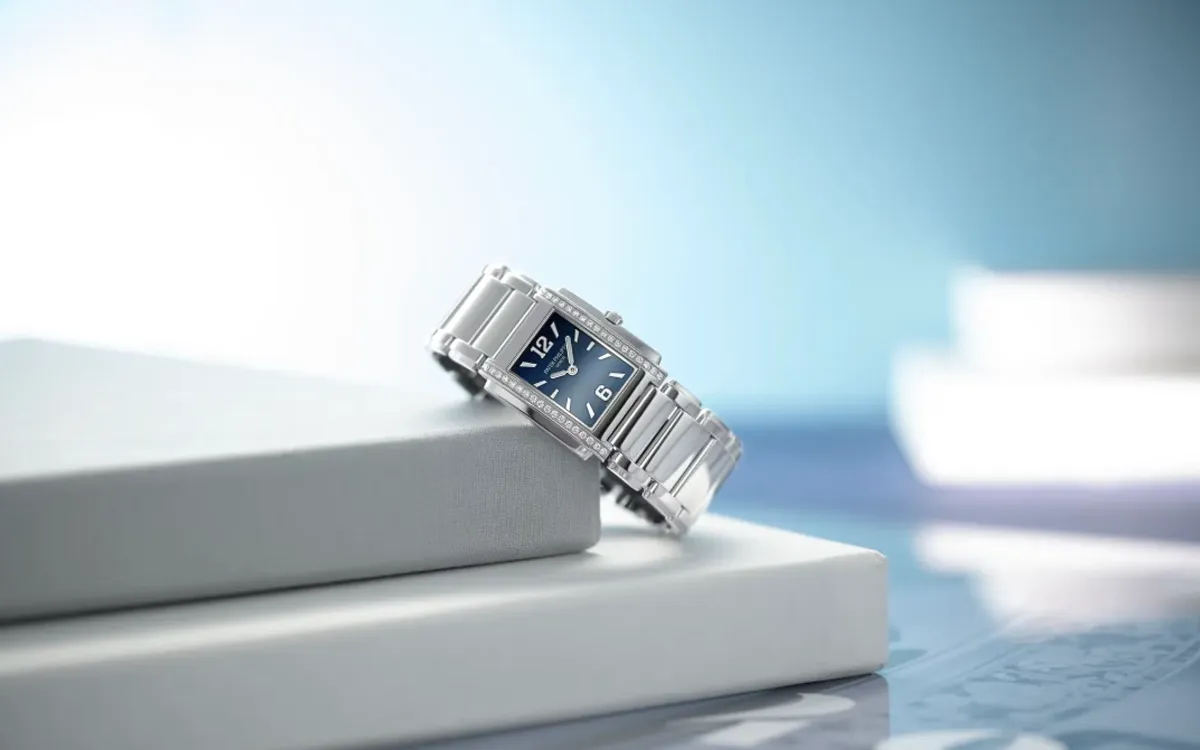
The end of the oversized watch era
Luxury watches often mirror broader shifts in fashion. During the 2000s and much of the following decade, oversized watches reflected a cultural preference for bold styling. Larger cases projected confidence and visibility, making them particularly appealing during an era that celebrated statement accessories.
Many manufacturers responded by introducing increasingly substantial designs. Cases measuring 44mm or larger became commonplace, particularly among sports and diving collections.
Over time, enthusiasm began to cool.
Large watches can feel cumbersome during everyday wear. They often sit high on the wrist, struggle to fit beneath a shirt cuff, and may appear disproportionate on many wrist sizes. What once felt distinctive gradually became less practical for daily life.
Collectors also began revisiting vintage references, discovering that many of the industry’s most celebrated designs were considerably smaller. Icons from Rolex, Omega, Cartier, and Patek Philippe were originally created with restraint rather than excess in mind. Those proportions had endured for decades for one simple reason: they worked exceptionally well.
Rather than chasing size, today’s enthusiasts increasingly value balance.
Why 36mm to 39mm has become the modern sweet spot
A well-designed watch should complement the wrist rather than dominate it. This principle has brought renewed attention to case sizes between 36mm and 39mm, which many collectors now consider the ideal range for everyday luxury watches.
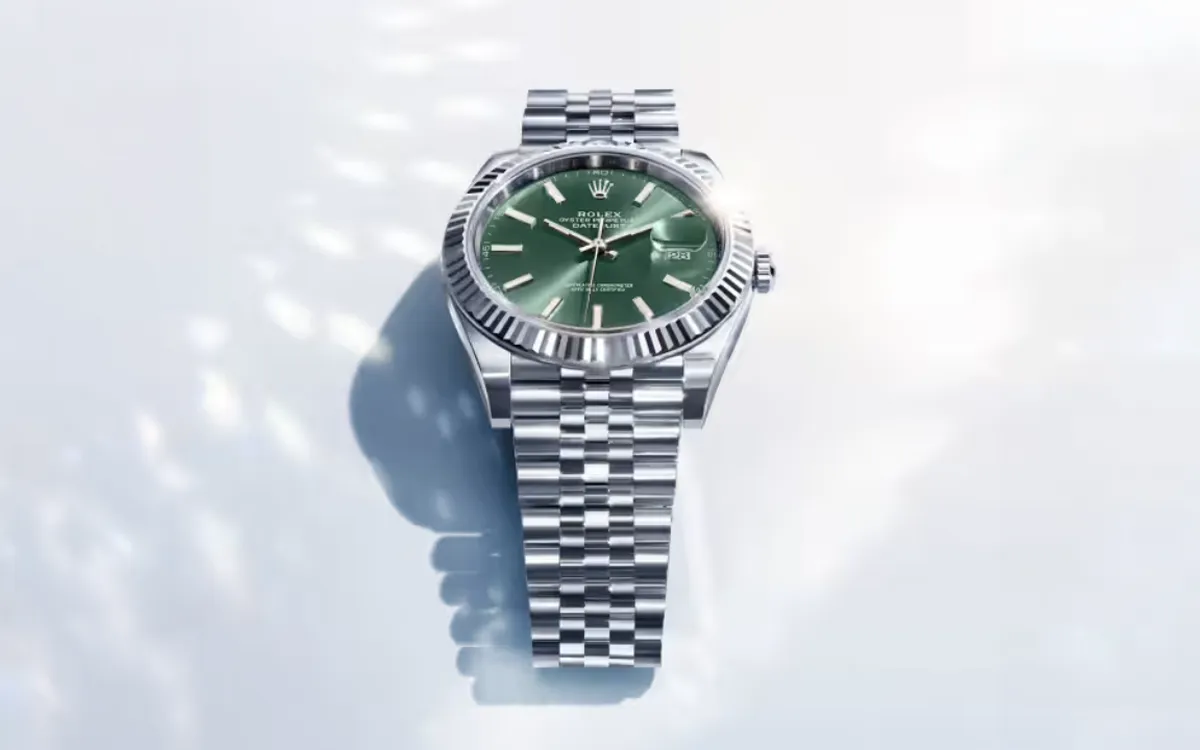
These proportions offer remarkable versatility. A refined 36mm dress watch pairs naturally with tailoring, yet feels equally appropriate with casual weekend clothing. A 38mm sports watch delivers presence without overwhelming the wrist, making it suitable for almost any occasion.
Comfort also plays an important role.
Smaller watches typically weigh less, sit closer to the wrist, and distribute that weight more evenly throughout the day. Long hours of wear become effortless, particularly for professionals who spend much of their time in business attire or at a desk.
Visual harmony is another advantage.
The overall wearing experience depends on more than diameter alone. Lug-to-lug distance, case thickness, bezel width, and dial proportions all influence how a watch appears once it is on the wrist. A thoughtfully designed 37mm watch can often wear larger than expected, while some 40mm watches appear surprisingly compact.
As collectors become more knowledgeable, attention has shifted away from specifications alone and toward overall design.
Fit matters more than labels
Another notable change within the industry is the gradual disappearance of rigid sizing conventions.
For decades, smaller watches were often marketed towards women, while larger models were considered the standard for men. Those distinctions are becoming increasingly irrelevant.
Collectors now choose watches based on proportion, comfort, and personal style rather than marketing categories. A 36mm watch can look equally elegant on a wide variety of wrists, regardless of gender.
This broader appreciation has expanded the market for historically overlooked references, allowing many vintage and neo-vintage pieces to find a new audience.
The result is greater freedom to select a watch that genuinely suits the wearer instead of conforming to outdated expectations.
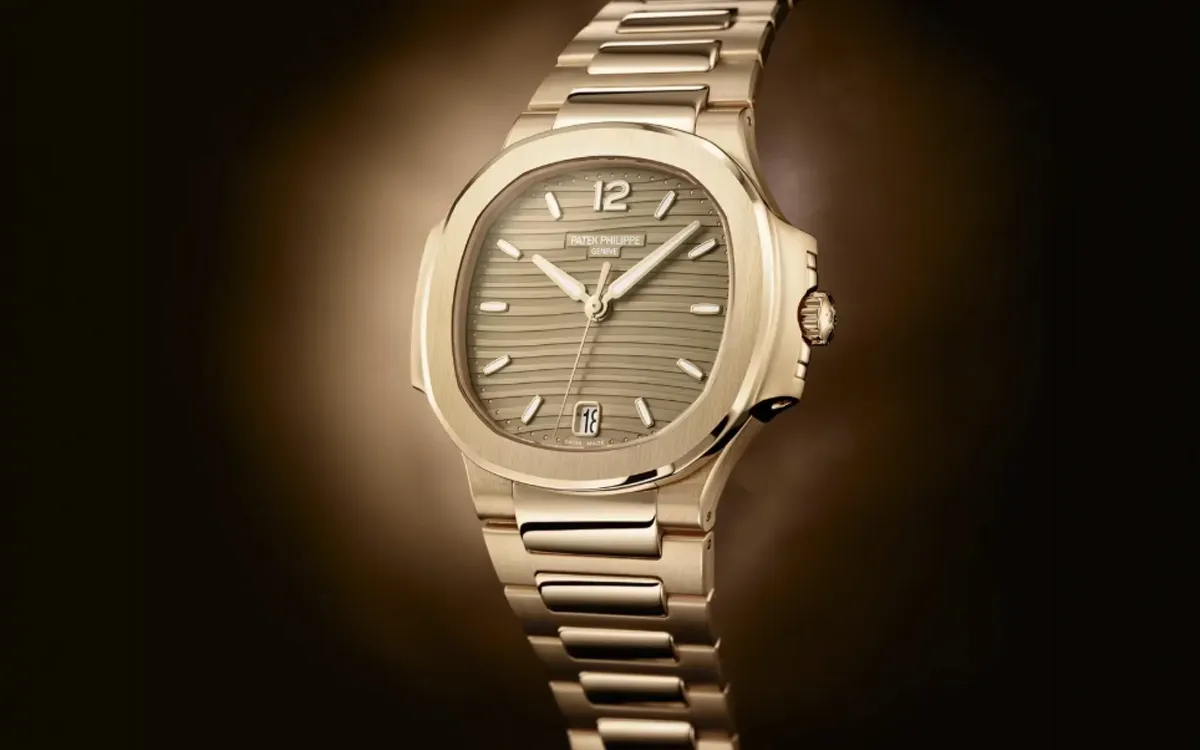
The growing appeal of underrated classics
Not every collector wants the watch everyone else is chasing.
Years of waiting lists, limited allocations, and inflated secondary market prices have encouraged enthusiasts to look beyond the most publicised sports models. Rather than competing for the same handful of references, many have discovered exceptional watches that offer equal craftsmanship with greater individuality.
These are often described as “underrated classics.”
Their appeal lies partly in their subtlety. Experienced collectors recognise their significance immediately, while casual observers may overlook them entirely. That quiet confidence has become increasingly attractive in a market saturated with highly recognisable status pieces.
Several longstanding collections have benefited from this renewed attention.
The Cartier Tank remains one of the most influential dress watches ever produced, while the Santos De Cartier combines historical significance with everyday practicality. The Jaeger-LeCoultre Reverso continues to showcase elegant Art Deco design and remarkable engineering, and neo-vintage Omega references from the 1990s and early 2000s are increasingly appreciated for their proportions, finishing, and mechanical reliability.
Even traditional maisons such as Breguet are attracting collectors who value classical watchmaking over mainstream popularity.
These watches tell a story without demanding attention.
Neo-vintage watches offer a compelling balance
The neo-vintage period, broadly covering the 1990s through the early 2000s, has become one of the most interesting segments of today’s collector market.
Many watches from this era combine contemporary manufacturing standards with proportions inspired by earlier decades. Sapphire crystals, reliable automatic movements, and improved durability arrived without the oversized styling that later became fashionable.
For buyers, this creates an appealing opportunity.
Many neo-vintage references remain comparatively affordable when measured against modern equivalents. In numerous cases, collectors gain access to higher levels of finishing, stronger historical significance, and distinctive design without paying substantial premiums associated with current production models.
As appreciation for these watches continues to grow, originality becomes increasingly important.
Factory finishing, crisp case edges, original dials, matching components, and complete documentation all contribute to long-term collectability. An unpolished case that retains its original geometry is often considerably more desirable than one that has been repeatedly refinished over time.
Small details frequently make the greatest difference.
Choosing the right watch size is about proportion
Finding the ideal watch is less about following trends than understanding how different designs wear in practice.
Case diameter offers only part of the picture.
Lug-to-lug measurement determines how much of the wrist the watch occupies, while case thickness affects comfort beneath sleeves. Dial opening, bezel width, bracelet integration, and case shape all influence visual presence.
A square watch such as a Cartier Santos often wears differently from a round watch of identical dimensions. Cushion cases and tonneau designs create their own unique impression despite sharing similar measurements.
Trying a watch on remains the most reliable approach.
Two watches listed as 36mm may feel completely different once they are worn. Personal comfort should always outweigh numerical specifications.
The best watch is the one that feels naturally at home on the wrist.
Quiet confidence is defining modern collecting
Luxury collecting has become increasingly personal.
Many enthusiasts are no longer searching for the largest case, the rarest allocation, or the most recognisable reference. Instead, they seek watches that offer enduring design, thoughtful proportions, and genuine enjoyment every time they are worn.
Smaller watches reflect this evolution beautifully.
They prioritise refinement over excess, comfort over spectacle, and timeless design over passing trends. Underrated classics embody the same philosophy, rewarding owners with heritage, craftsmanship, and individuality that become more meaningful over time.
The industry’s changing preferences suggest that understated luxury is not simply returning. It is becoming the new benchmark for thoughtful collecting.
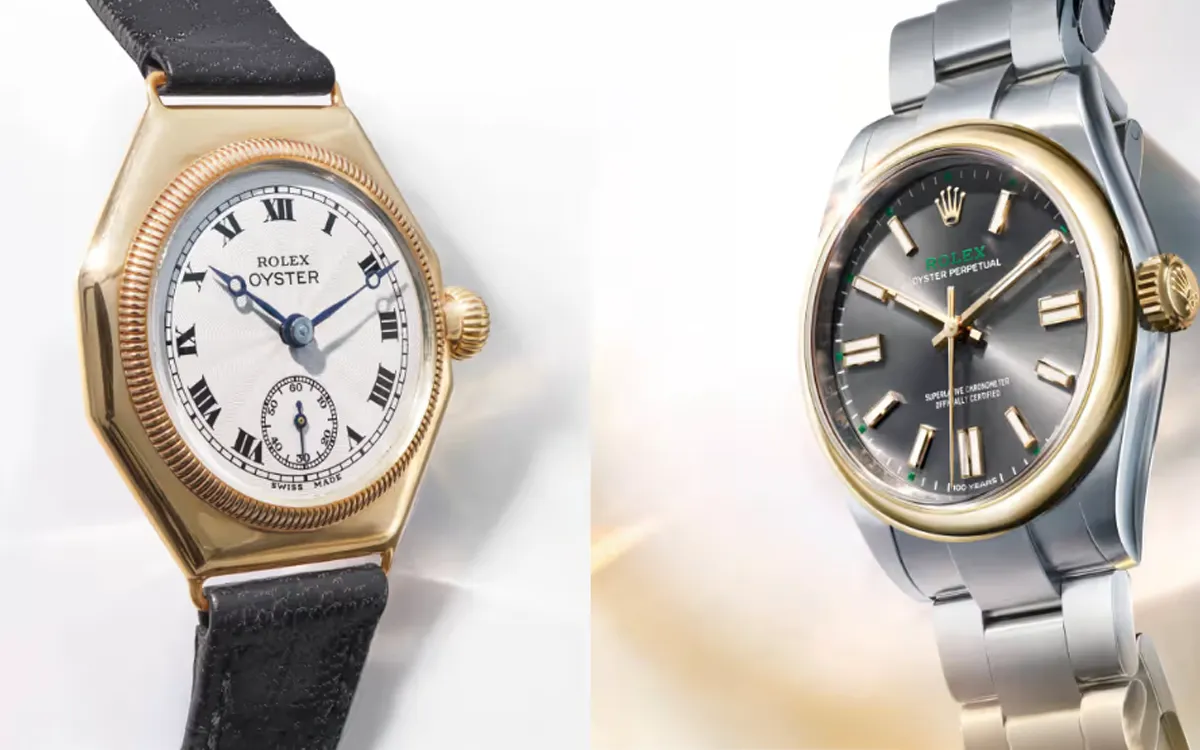
Preserve the details that make your watch special
The growing appreciation for smaller luxury watches and underrated classics has also renewed the focus on preservation. Original factory finishing, crisp case lines, and untouched surfaces all contribute to a watch’s long-term value and character. Everyday wear inevitably brings minor scratches, yet repeated polishing can gradually soften the sharp details that collectors prize most.
RX-8 Luxury Watch Protection Films offer a practical way to minimise everyday wear without altering the watch itself. Precision-cut for luxury timepieces, the films help protect polished surfaces, bezels, and bracelets from light scratches while preserving the original finish underneath. Discreet and removable, they allow owners to wear their watches with greater confidence.
A carefully chosen watch deserves equally thoughtful protection. Preserving its original condition helps maintain the craftsmanship, proportions, and distinctive details that make it special, ensuring it can be enjoyed today while retaining its appeal for years to come.