
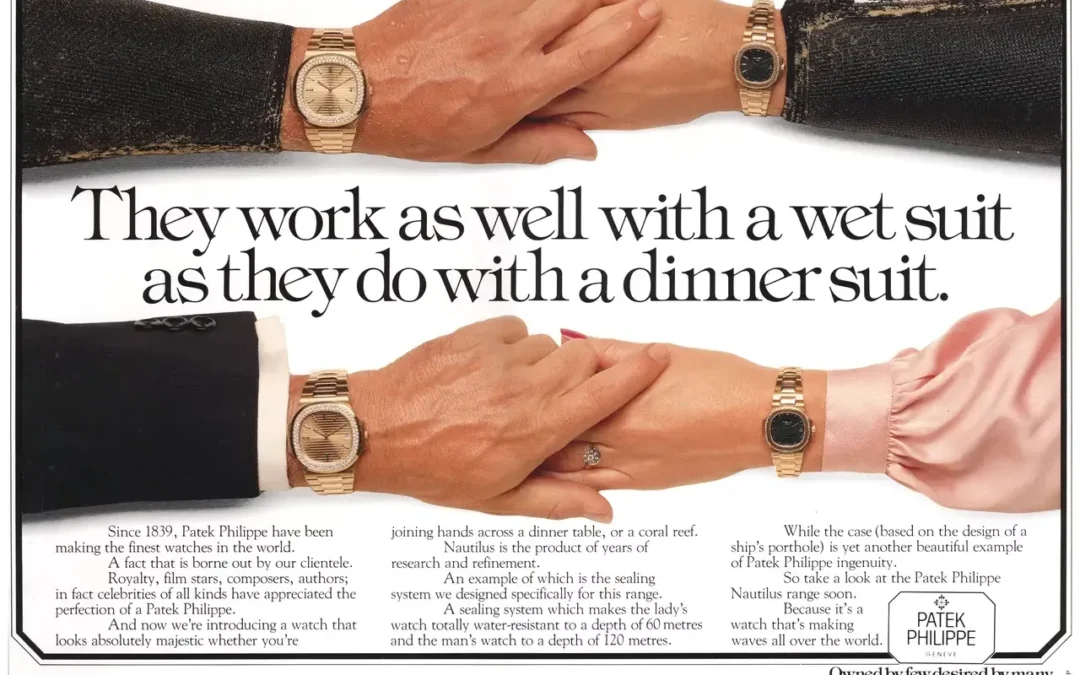
Few titles in luxury watchmaking carry as much prestige as the Holy Trinity.
The term is traditionally used to describe three of Switzerland’s most celebrated watchmakers: Patek Philippe, Audemars Piguet and Vacheron Constantin. Together, they represent centuries of craftsmanship, technical innovation and some of the most influential watches ever created.
Their status, however, is not simply based on age or expensive price tags. Each brand earned its reputation through a long history of complicated watchmaking, meticulous hand finishing and designs that continue to shape the industry today.
Modern horology has also become far more competitive. German manufacturers, independent watchmakers and other established maisons now produce watches that rival the finest Swiss craftsmanship.
So, what earned these three brands their legendary status, and does the Holy Trinity still deserve its place at the top?
The Holy Trinity at a glance: Patek Philippe, Audemars Piguet and Vacheron Constantin are traditionally regarded as the pinnacle of Swiss haute horlogerie, thanks to their heritage, craftsmanship, technical achievements and lasting influence on watchmaking.
Why are they called the Holy Trinity?
The Holy Trinity is not an official title awarded by the watch industry. There is no governing body or formal ranking that determines which brands belong to the group.
Instead, the term developed through the long-standing reputation of three watchmakers that consistently operated at the highest levels of traditional Swiss watchmaking.
Patek Philippe was founded in 1839, Vacheron Constantin in 1755 and Audemars Piguet in 1875. Despite their different identities, all three built their reputations on several defining qualities.
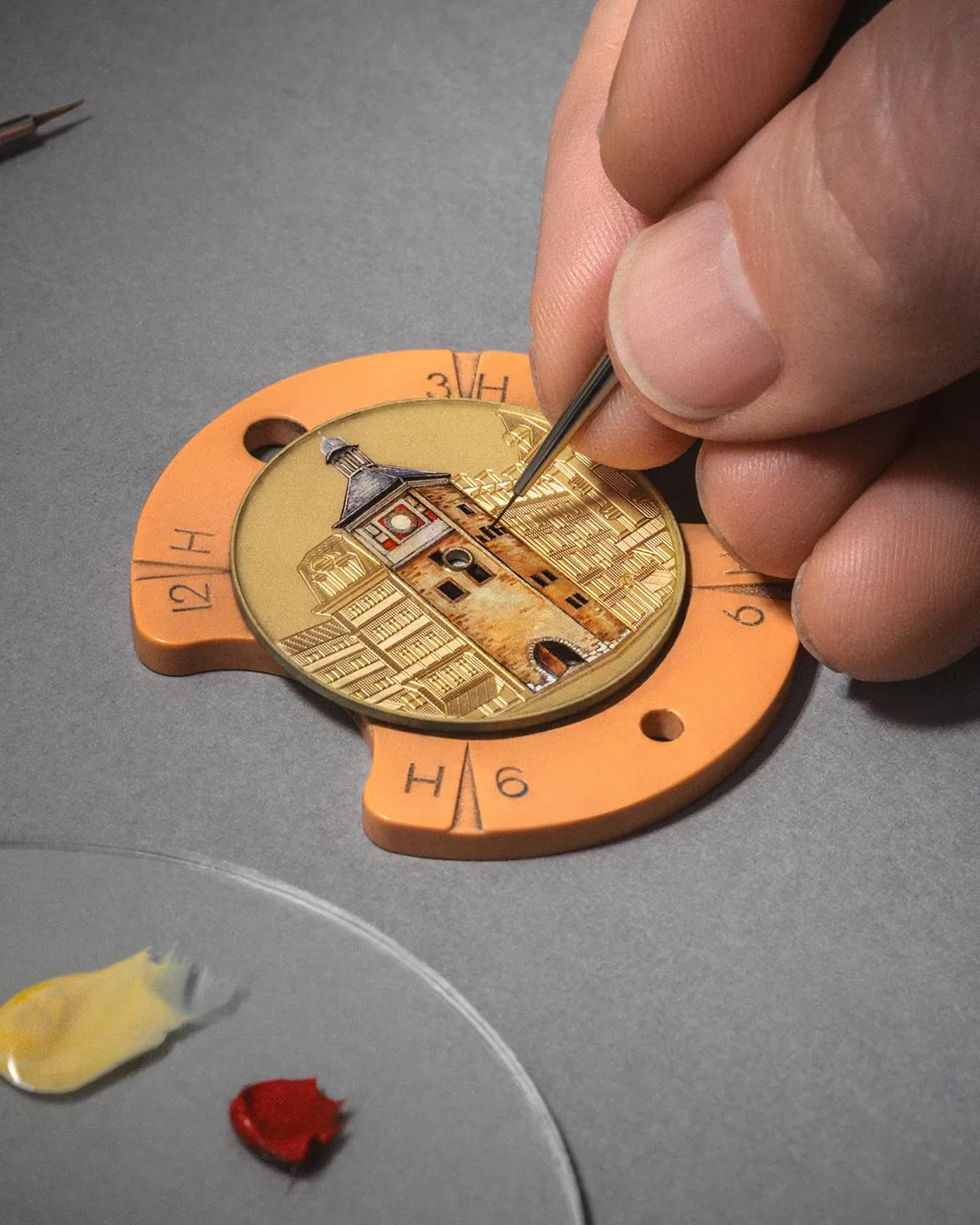
A legacy of haute horlogerie
Longevity alone does not create a great watchmaker. The importance of these three brands lies in their ability to remain influential across generations while continuing to produce watches at an exceptional level.
They have survived changing tastes, economic upheavals and even the quartz crisis, which threatened the future of traditional mechanical watches in the 1970s and 1980s.
Vacheron Constantin is recognised as the world’s oldest continuously operating watch manufacturer. Patek Philippe became a benchmark for complicated watches and generational prestige, while Audemars Piguet reshaped modern luxury watch design with the Royal Oak.
Craftsmanship in the smallest details
At the highest level of watchmaking, a movement is designed to be more than functional.
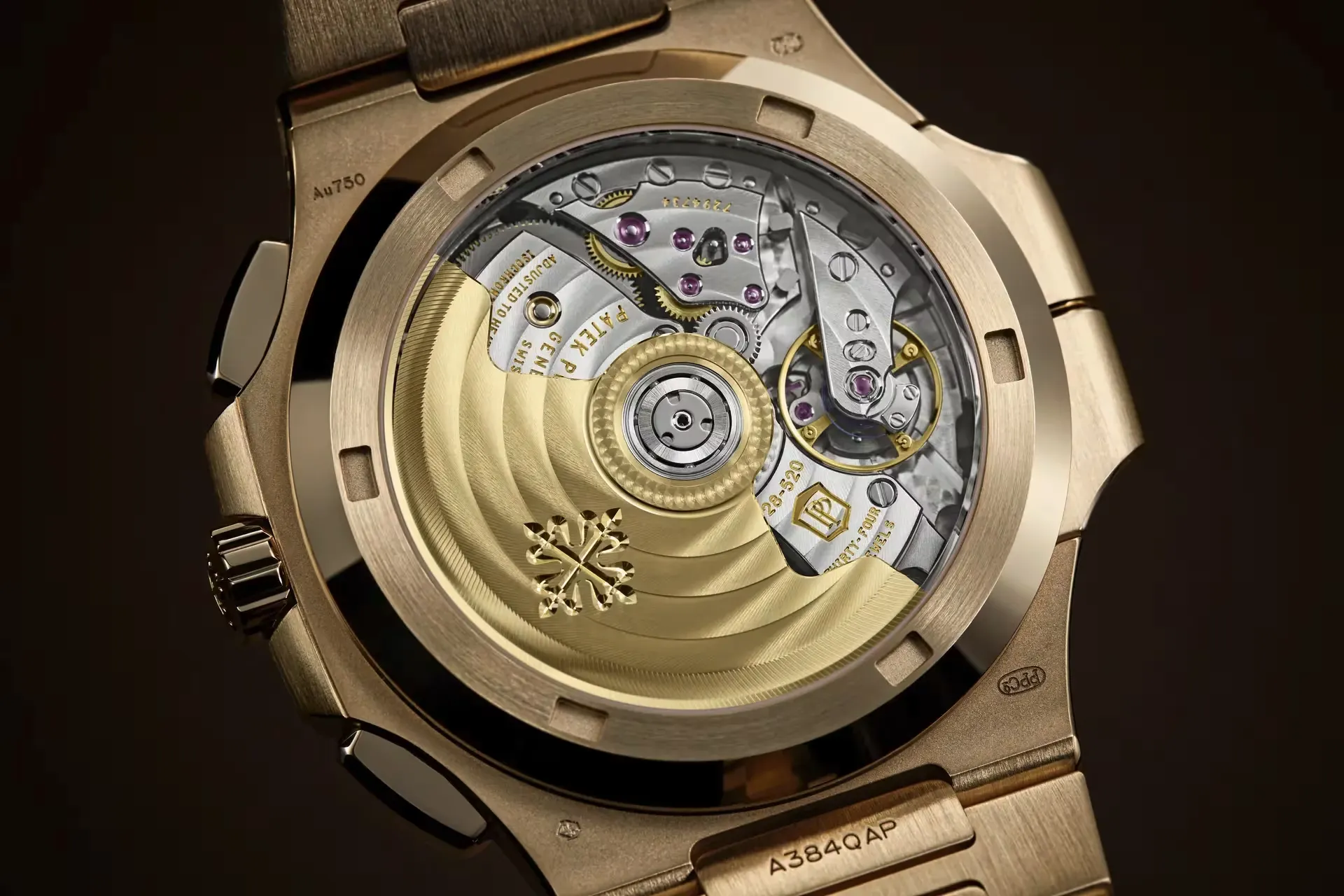
Its bridges may be hand-bevelled and polished, while surfaces can feature decorative techniques such as Côtes de Genève striping or circular graining. These details may have little effect on timekeeping, yet they demonstrate the level of skill and attention invested in the watch.
This combination of mechanical engineering and traditional craftsmanship sits at the heart of haute horlogerie.
Masters of complications
The three brands also built their reputations through complicated mechanical watches.
A complication is any function beyond simply displaying the time. Perpetual calendars, chronographs and minute repeaters are among the most technically demanding examples.
Creating these mechanisms requires hundreds of precisely engineered components working together within a movement small enough to fit on the wrist.
It is this mastery of both craftsmanship and mechanical complexity that helped establish the foundations of the Holy Trinity.
Three unique philosophies in the Holy Trinity
Each member of the Holy Trinity has its own personality and contribution to watchmaking.
Patek Philippe
Prestige and complications
For many collectors, Patek Philippe remains the ultimate symbol of traditional watchmaking prestige.
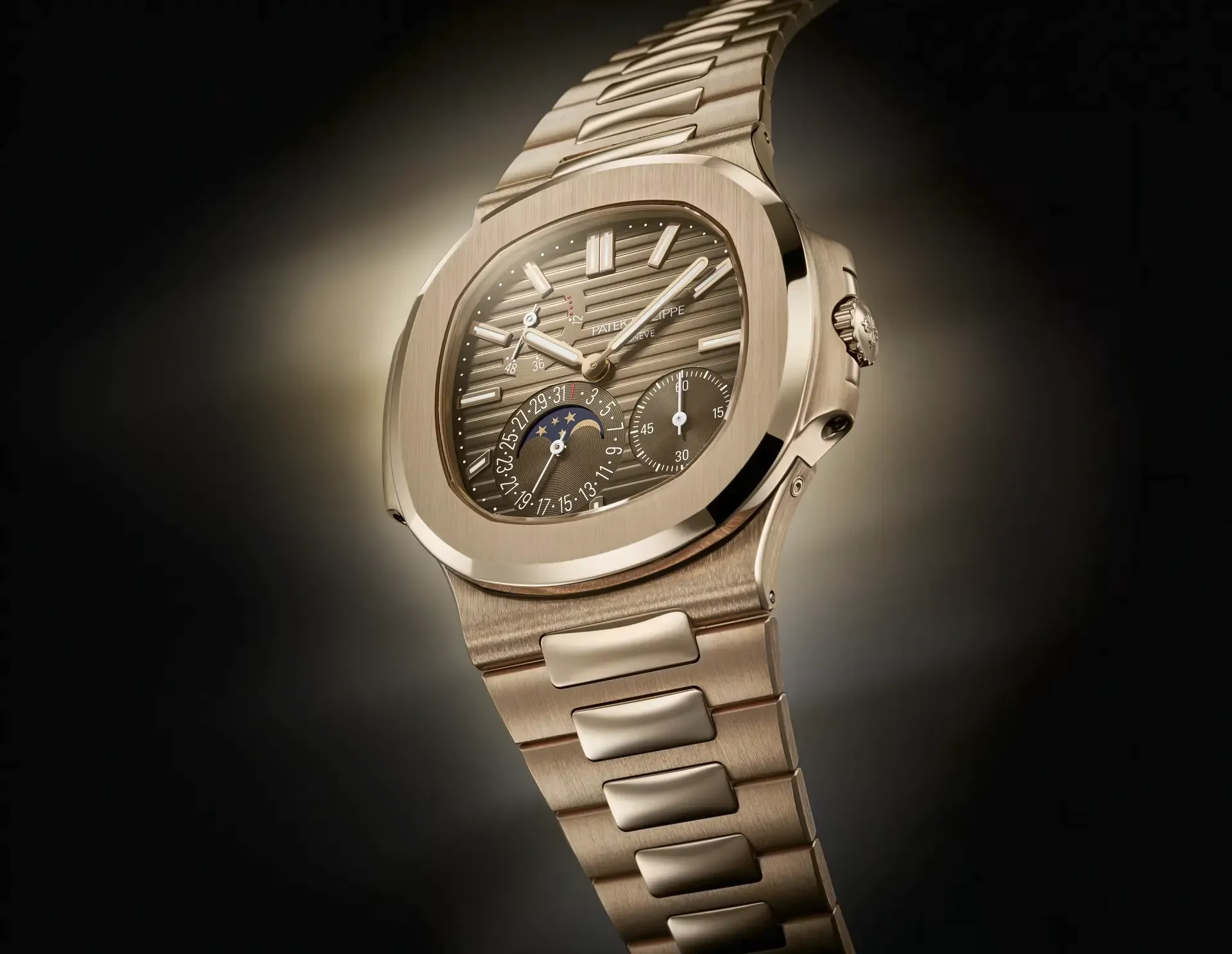
The brand has produced some of history’s most celebrated complicated watches, including perpetual calendars, chronographs and minute repeaters. It also holds a powerful place in the collector market, where rare and historically important pieces have achieved extraordinary results.
Patek Philippe’s appeal extends well beyond traditional dress watches. The Nautilus became one of the defining luxury sports watches of the modern era and demonstrated just how desirable a stainless steel watch could become.
Its greatest strength lies in the combination of technical heritage, collector appeal and a reputation for creating watches intended to last for generations.
The challenge: Demand for some of its most desirable models far exceeds supply, making access to certain watches as exclusive as ownership itself.
Vacheron Constantin
History and refinement
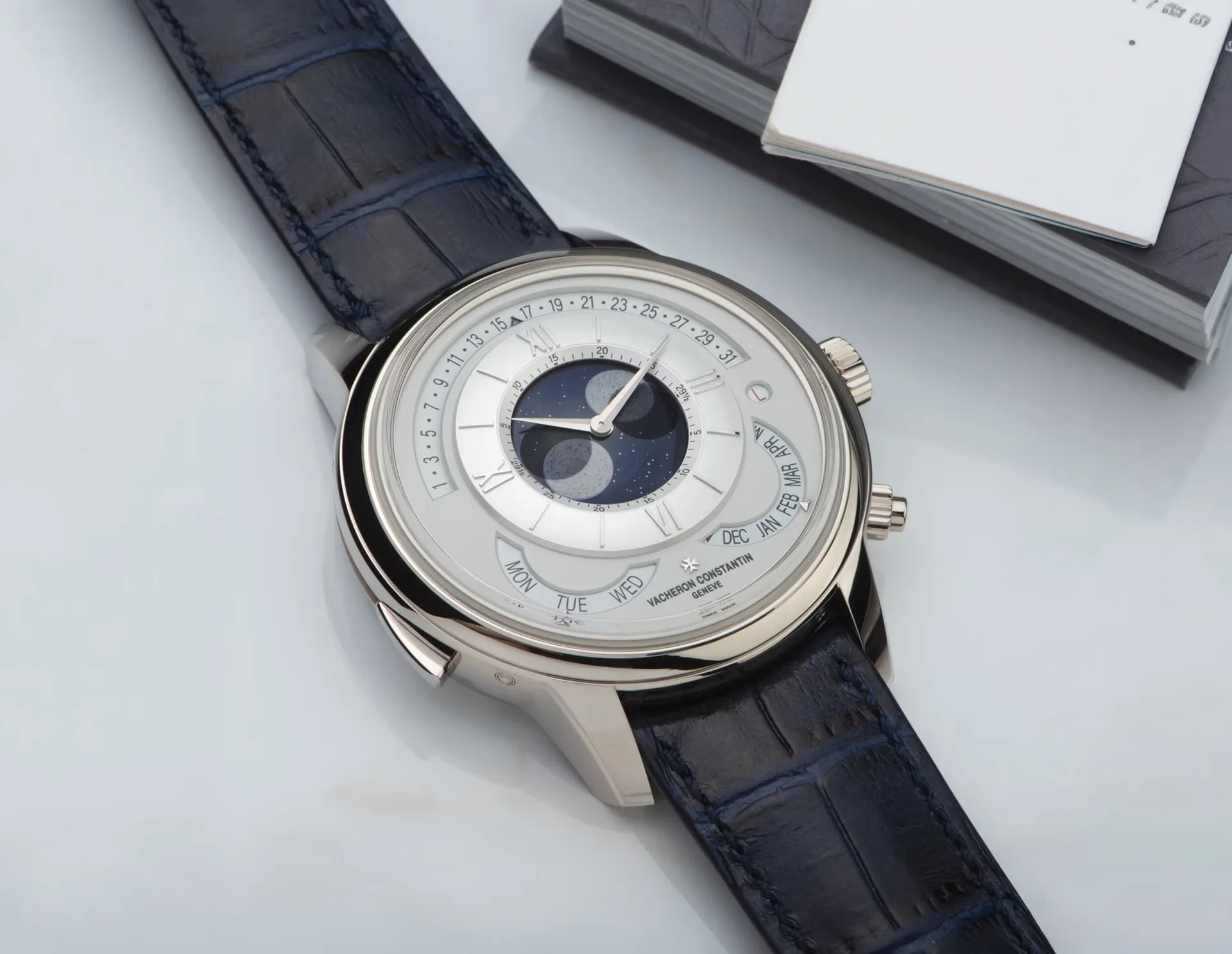
Founded in 1755, Vacheron Constantin brings the longest history of the three.
The brand is known for elegant design, refined finishing and an extraordinary archive spanning more than two centuries of watchmaking. Its creations range from understated dress watches to highly complicated and bespoke timepieces.
Collections such as Les Cabinotiers continue the tradition of exceptional custom watchmaking, while the Overseas provides a sophisticated interpretation of the modern luxury sports watch.
Vacheron Constantin’s greatest strength is its depth. It can move between traditional craftsmanship, artistic watchmaking and contemporary design without losing its identity.
The challenge: It can sometimes be overshadowed by the mainstream recognition and market hype surrounding Patek Philippe and Audemars Piguet.
Audemars Piguet
The luxury sports watch pioneer
Audemars Piguet has a long history of producing sophisticated mechanical watches, although its modern identity is closely tied to one groundbreaking design.
The Royal Oak changed the luxury watch market when it was introduced in 1972.
Designed by Gérald Genta, its octagonal bezel, exposed screws and integrated bracelet were unlike anything traditionally associated with high-end Swiss watchmaking. More significantly, it proved that stainless steel could command the same prestige and price once reserved for precious metals.
The Royal Oak went on to influence an entire category of luxury sports watches.
The challenge: Its success is so significant that the Royal Oak can overshadow Audemars Piguet’s broader history of complications and technical watchmaking.

| Brand | Known for | Greatest strength | Modern challenge |
| Patek Philippe | Complications and prestige | Heritage and exceptional collector demand | Limited availability |
| Vacheron Constantin | Craftsmanship and refinement | Historical depth and versatility | Less mainstream visibility |
| Audemars Piguet | Bold design and innovation | The Royal Oak’s lasting influence | Heavy reliance on one iconic collection |
Is the Holy Trinity still the ultimate standard?
Historically, their status is difficult to challenge.
Patek Philippe, Audemars Piguet and Vacheron Constantin have each made significant contributions to complicated watchmaking, design and traditional craftsmanship. Their influence continues to shape how collectors and enthusiasts define haute horlogerie.
The modern picture, however, is more complex.
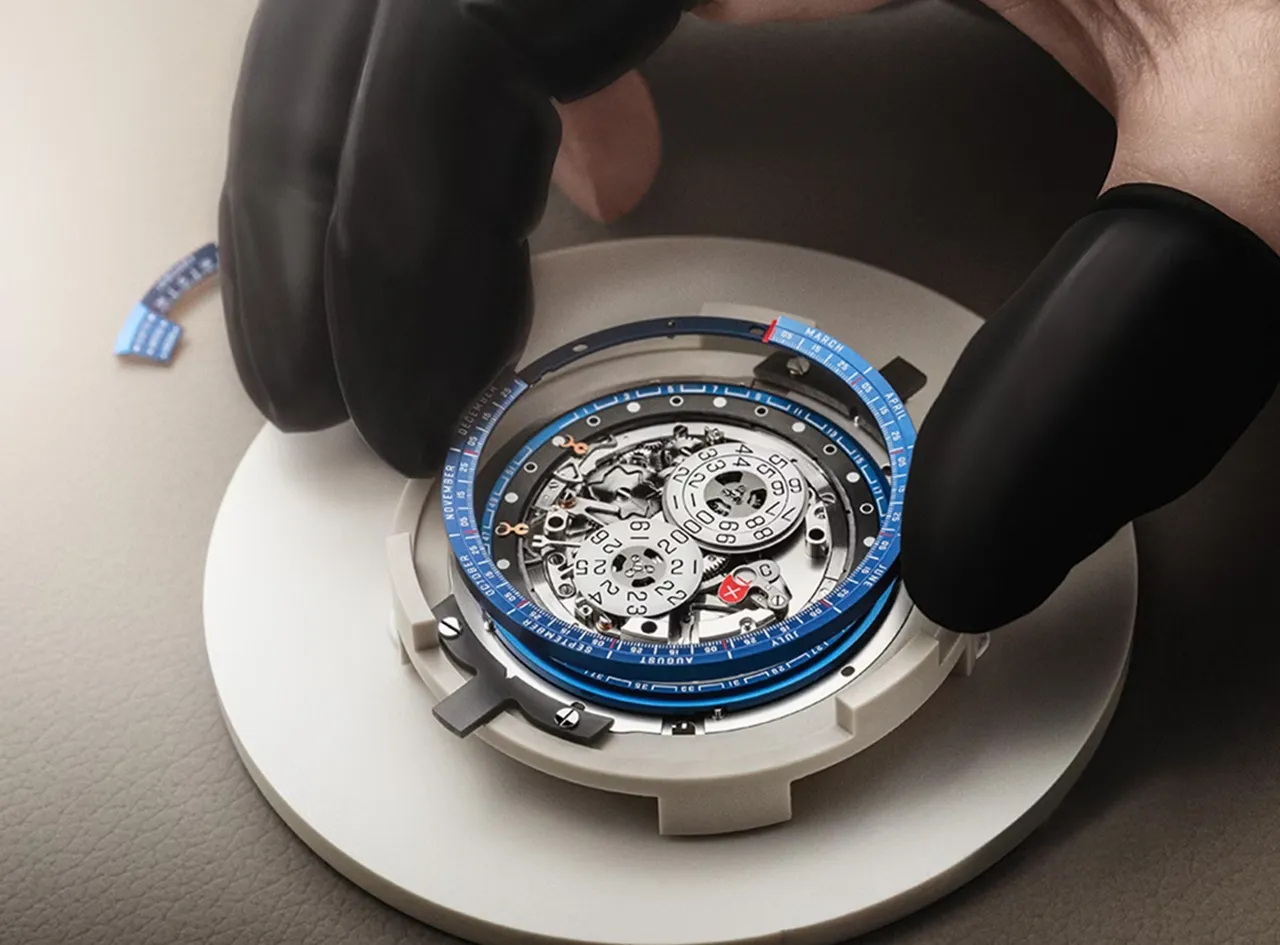
Brands such as A. Lange & Söhne have earned exceptional respect for movement design and hand finishing, while independent watchmakers such as F.P. Journe and Philippe Dufour have created a different form of prestige built on originality, craftsmanship and extremely limited production.
The rise of these watchmakers does not diminish the Holy Trinity.
It simply proves that exceptional watchmaking is no longer defined by three names alone.
Unshakeable tradition, not the final word
The Holy Trinity is perhaps best understood as a recognition of historical importance rather than a permanent ranking of the world’s only great watchmakers.
These three brands helped establish many of the standards that continue to define high horology today. Other manufacturers may now rival or even surpass them in specific areas, whether that involves hand finishing, movement architecture or exclusivity.
Their place in watchmaking history, however, remains secure.
Icons to be worn, not worn down
The enduring appeal of the Holy Trinity extends beyond prestige, rarity or market value to the design, engineering and craftsmanship embodied in each watch.
For many owners, a fine watch also carries personal significance. It might mark an important milestone, become a lifelong companion or eventually pass from one generation to the next. Preserving its original character is therefore part of enjoying it for the long term.
Daily wear inevitably leaves marks on polished bezels, cases and bracelets. Light scratches may be unavoidable, but repeated polishing can gradually remove material and soften the crisp edges, contours and original lines that define the watch.
For collectors who want to wear their watches while helping preserve those original surfaces, RX-8 luxury watch protection films provide a discreet layer of protection against everyday scuffs and scratches.
The goal is not to alter the watch or hide its design. RX-8 helps protect the surfaces and details that made the watch exceptional in the first place, while allowing it to be worn and enjoyed as intended.
The Holy Trinity has remained relevant for centuries because great craftsmanship endures. Whether you own a Patek Philippe, an Audemars Piguet, a Vacheron Constantin or another exceptional timepiece, protecting its original condition can help preserve both its appearance and its story for years to come.