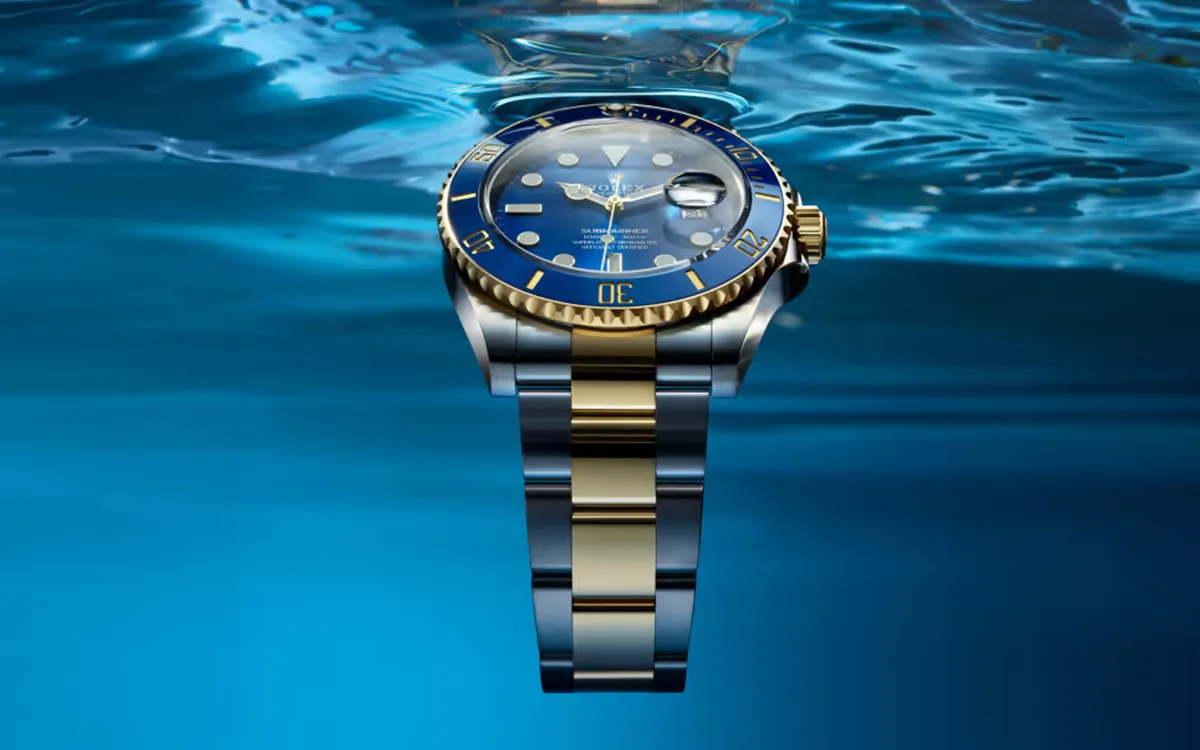
Why “Swiss Made” is more than just a label
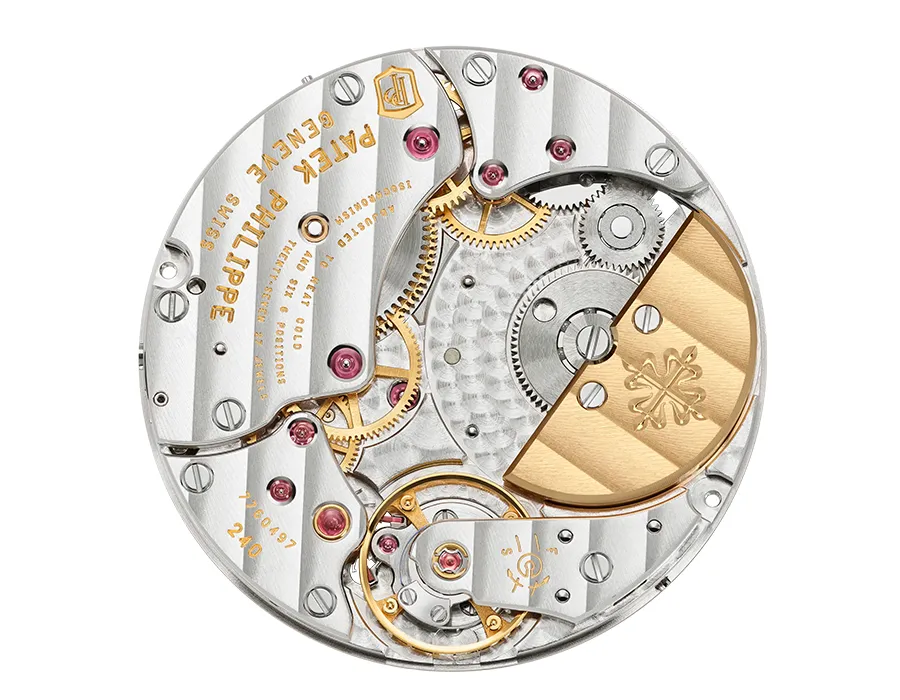
There is a certain weight to the words Swiss Made. They never need to shout. Instead they reveal themselves with restraint: elegantly placed beneath the logo, finely engraved into the case back, or positioned beneath the logo with quiet confidence. For seasoned collectors and everyday wearers alike, those two words represent a standard that has endured for generations.
A standard shaped by precision, heritage, and craftsmanship refined through decades of watchmaking expertise.
In an era obsessed with speed, scale, and cost-cutting, Swiss Made stands apart as a deliberate counterpoint — a philosophy rooted in unyielding discipline, uncompromising technical mastery, and an almost obsessive pursuit of enduring quality.
It is more than an indication of origin. It reflects a commitment to enduring standards, rigorous manufacturing, and the pursuit of mechanical refinement.
Understanding what Swiss Made truly represents requires looking beyond the label itself and examining the history, regulations, and craftsmanship behind it.
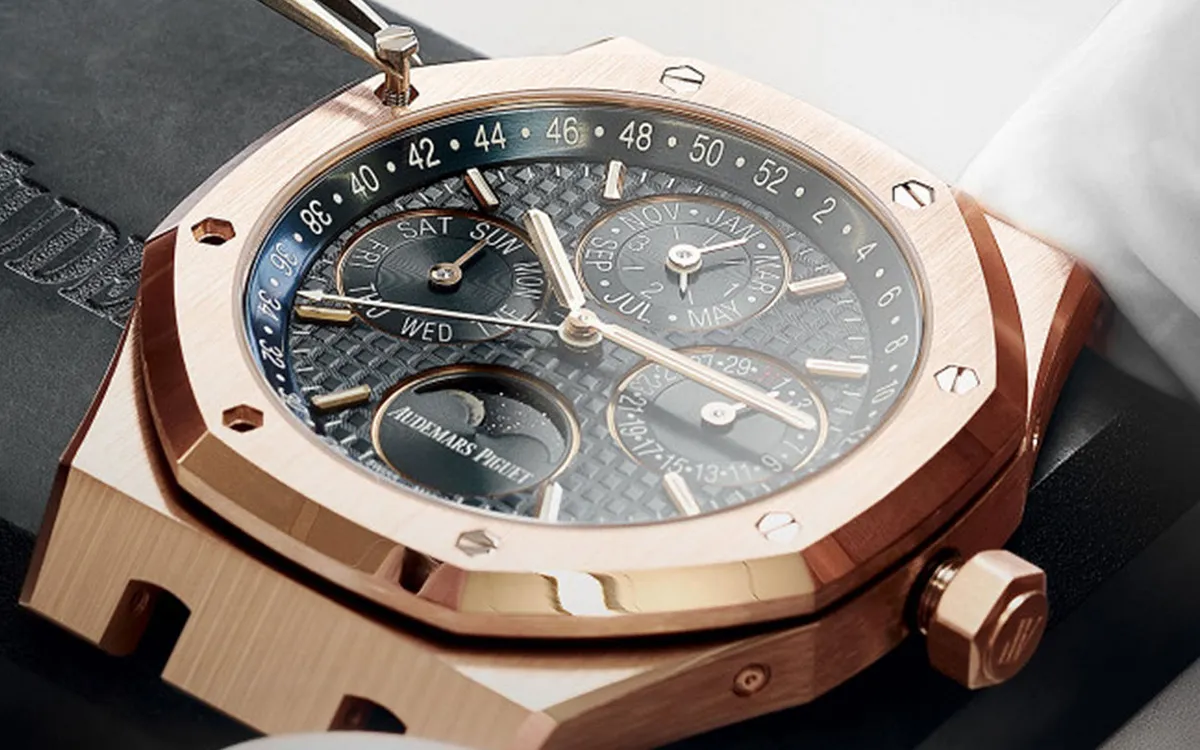
What does “Swiss Made” actually mean?
Swiss Made is not a marketing phrase or a loosely applied label. It is a legally protected designation governed by Swiss law and supported by strict manufacturing standards.
For a watch to carry the Swiss Made label, it must meet several key requirements:
- The movement must be Swiss, meaning it is assembled, inspected, and certified in Switzerland
- The movement must be fitted into the watch case in Switzerland
- Final inspection must take place in Switzerland to ensure quality control before release
- At least 60% of total manufacturing costs must originate in Switzerland, including labour, components, and production processes
In 2017 the rules were strengthened to shield the designation from dilution and to honour the reputation Swiss watchmaking has earned over centuries of excellence. The message was clear: Swiss Made must stand for authentic Swiss knowledge and ability — never reduced to a mere decorative inscription on the dial.
In practical terms, the designation is not determined by where a company is registered or where inexpensive components are sourced. It reflects where the technical skill, manufacturing precision, and accountability behind the watch truly reside.

Why the Swiss became the gold standard in watchmaking
Switzerland did not become synonymous with fine watchmaking by accident, nor did its reputation emerge overnight.
By the 16th century, Swiss craftsmen were already producing mechanical movements recognised for their accuracy and reliability. Over time, watchmaking evolved from a specialised trade into a discipline defined by engineering precision, technical refinement, and enduring quality.
Across generations, Swiss watchmaking came to be guided by a consistent set of principles:
- Accuracy over expedience
- Longevity over fashion
- Craftsmanship over commoditization
These values shaped an industry focused not on rapid production, but on long-term performance and reliability.
That philosophy continues to define Swiss watchmaking today. Many Swiss timepieces remain fully serviceable decades after they were produced, with some continuing to perform after more than a century of use. In contrast, lower-cost alternatives are often designed for replacement rather than restoration.
A Swiss watch is not simply manufactured to meet demand. It is built with longevity in mind.
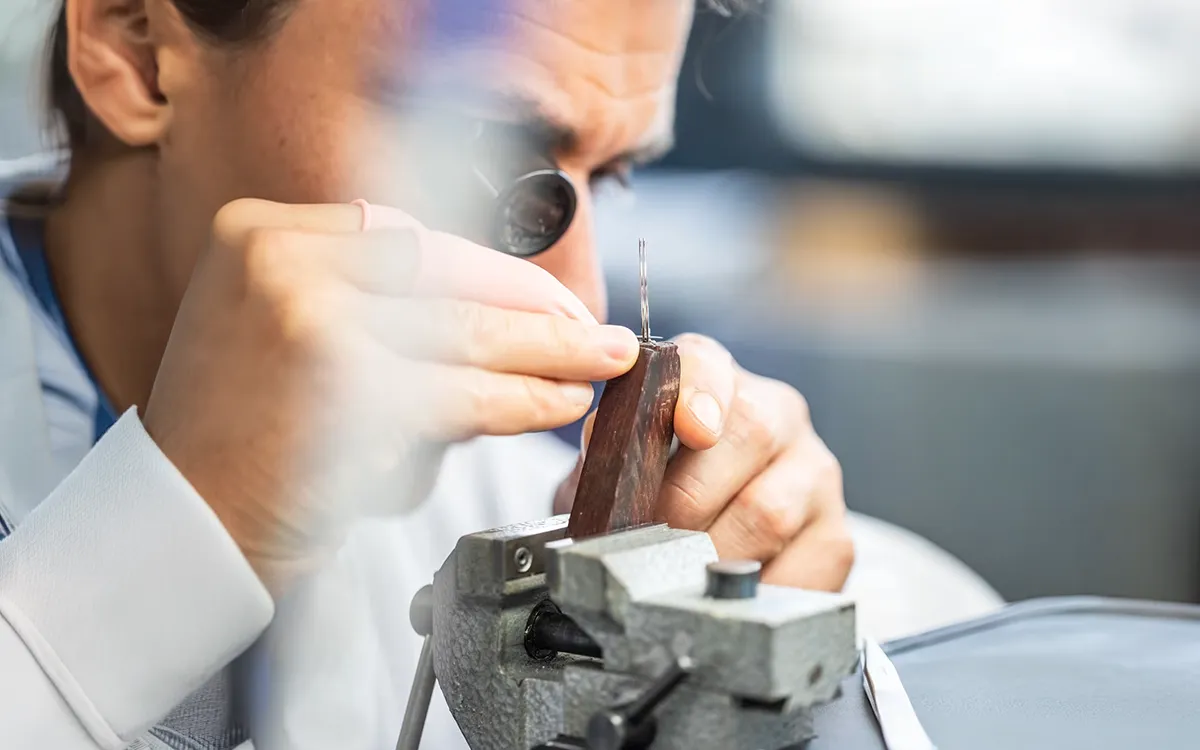
Swiss movements: The heart of the difference
At the heart of every watch is its movement, the engine responsible for keeping time accurately and consistently.
Swiss movements are respected worldwide because they’re engineered with intent, not compromise. They are:
- Precisely designed to deliver stable, reliable accuracy
- Built to be serviced and maintained, rather than replaced and discarded
- Finished to higher standards, even in components the wearer may never see
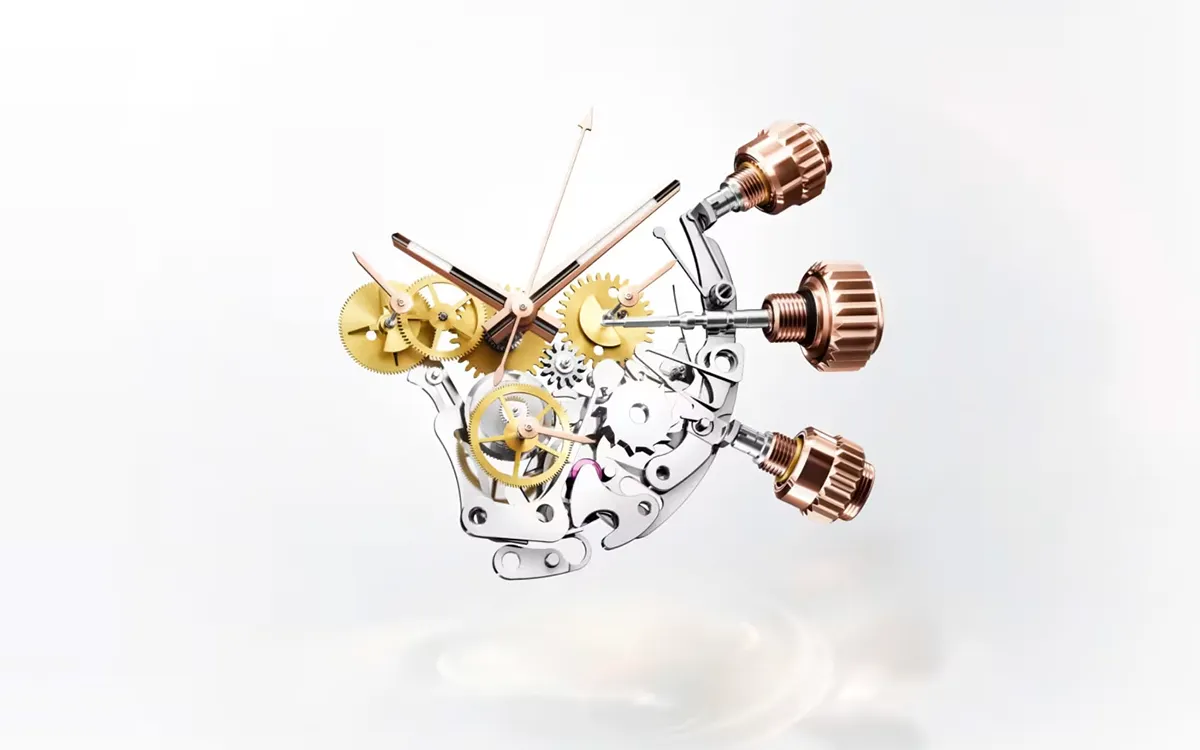
Whether quartz or mechanical, Swiss movements undergo rigorous testing and quality control throughout the manufacturing process. This level of scrutiny supports reliable performance not only when the watch is new, but throughout years of wear and servicing.
Ultimately, the value of a Swiss movement extends beyond timekeeping alone. It reflects a commitment to durability, precision, and enduring craftsmanship.
Swiss Made versus the rest
Swiss Made
- Legally regulated manufacturing standards
- High-quality movements and premium materials
- Long-term serviceability and repairability
- Strong heritage and excellent resale value
Japanese Made
Japanese watchmaking is widely respected for precision engineering and consistent innovation across both mechanical and quartz platforms. It has also produced some of the most influential names in modern horology.
- Renowned for precision and technical innovation
- Strong expertise in quartz and advanced movement technology
- Often positioned at more accessible price points
Brands such as Seiko, Grand Seiko, Citizen, and Casio represent the breadth of Japanese watchmaking, from everyday reliability to high-end mechanical refinement.
Fashion & Mass-Market Watches
Many fashion houses and lifestyle brands have entered watchmaking, contributing strong design identity and broad consumer appeal. In recent years, some have also expanded into more serious horological development, reshaping earlier perceptions of the category.
- Design-led approach with strong emphasis on aesthetics and branding
- Focus on accessibility and wide market reach
- Movements often sourced externally, with varying levels of serviceability and longevity
Brands such as Chanel, Louis Vuitton, Bulgari, Cartier, and Hermès illustrate how fashion houses have evolved within watchmaking, with several now firmly established within the broader horological landscape.
The defining difference is not simply where a watch is made but how it is designed to endure. Swiss Made continues to place long-term craftsmanship, reliability, and mechanical refinement at the centre of the process.

Why “Swiss Made” still matters today
In an age of fast fashion and disposable products, a Swiss Made watch represents something increasingly rare — intention.
It stands for:
- Craftsmanship done properly, not rushed or diluted
- Clear accountability in manufacturing, backed by strict standards
- A watch built to endure, not just to look good for a season
Swiss Made still matters because it protects consumers from vague claims and empty branding. It matters because it preserves centuries-old skills that continue to evolve rather than disappear. And it matters because when you wear a Swiss Made watch, you’re not just wearing an accessory, you’re wearing a piece of engineering history on your wrist.
Caring for what you invest in
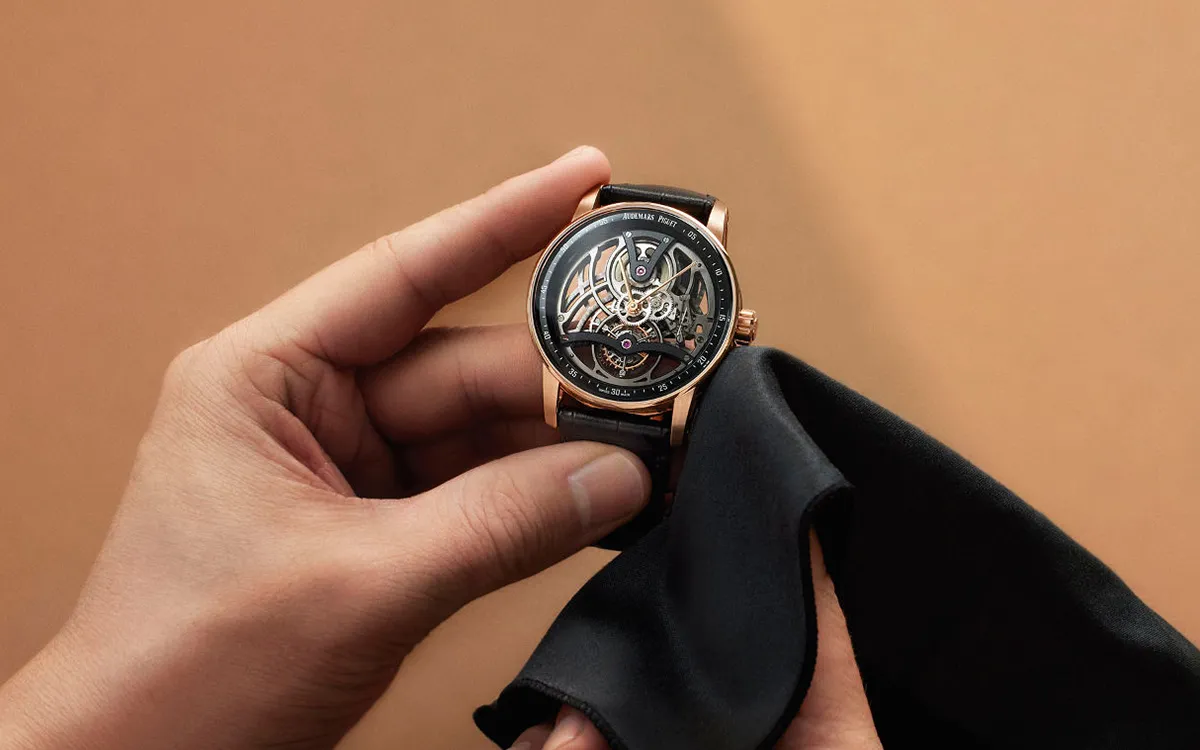
A Swiss Made watch is designed for longevity, but like any finely crafted object, it benefits from considered care.
Scratches, impacts, and daily wear gradually affect even the most carefully constructed timepieces. While these marks can reflect use over time, maintaining the condition of the watch helps preserve both its appearance and performance.

Treat your watch with the same intention you bring to the important areas of life. Through careful storage, mindful daily wear, and effective protective solutions, you safeguard its finish and performance across generations.
How you care for a fine timepiece says as much about you as the watch itself: it reveals a respect for craftsmanship, a preference for longevity over disposability, and a quiet commitment to excellence.
A standard worth wearing
Swiss Made transcends prestige. It embodies centuries of discipline, meticulous craftsmanship, and an unwavering commitment to excellence.
It carries a quiet assurance that what sits on the wrist has been carefully constructed, thoroughly inspected, and designed with longevity in mind.
Swiss Made is more than a label. It is a commitment expressed in precision, sustained over time, and proven in every passing second.
In the end, how you maintain a Swiss Made watch says everything about the value you place on true quality. Thoughtful habits — mindful wear, proper storage, and discreet protection for the crystal and case — are the natural way to honour that commitment and keep it looking and performing at its best for generations.